This quick best Korean beef recipe dish has become a weeknight staple for busy families because it requires no special equipment, no hard to find ingredients, and absolutely zero cooking experience. Just pantry staples, ground beef, and 20 minutes.
What You’ll Learn
- The exact ingredients
- Step by step instructions
- Best rice and side dish pairings
- How to meal prep
- Smart substitutions
- Storage and reheating tips
What Is Korean Beef?
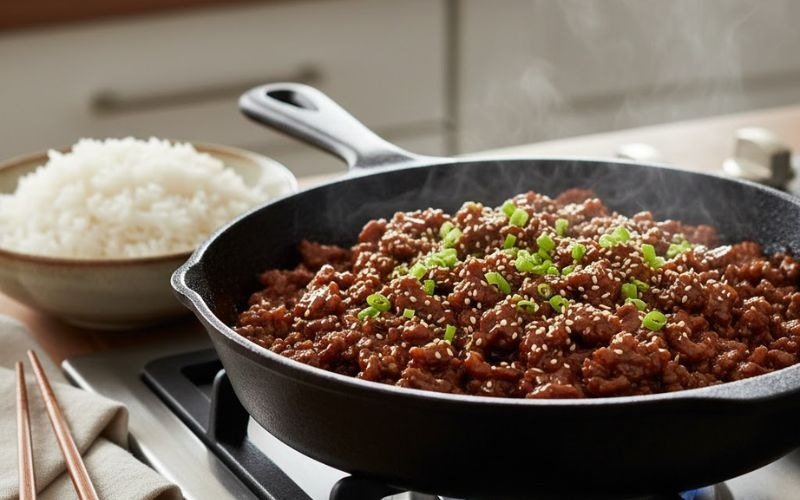
Korean beef is a sweet savory ground beef dish seasoned with soy sauce, brown sugar, sesame oil, garlic, and ginger cooked in a single pan in under 20 minutes. It draws from the flavor profile of traditional bulgogi but uses ground beef instead of marinated sliced steak, making it dramatically faster without sacrificing the core taste.
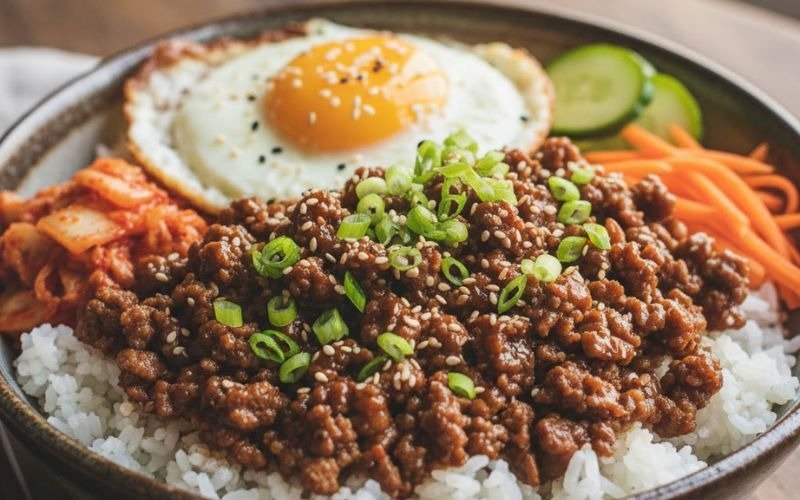
The result is sticky, glossy, deeply savory beef that tastes like Korean BBQ served over steamed rice with green onions and sesame seeds on top.
Ingredients
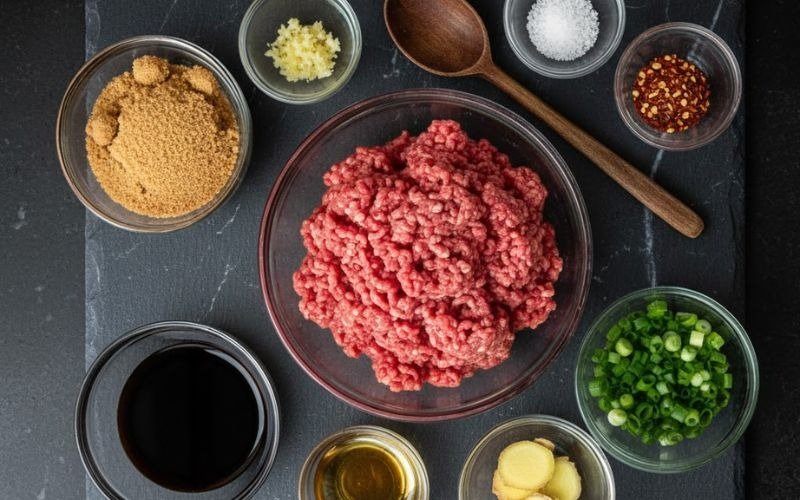
The core ingredients for Korean beef are: ground beef, low sodium soy sauce, brown sugar, sesame oil, fresh garlic, fresh ginger, sliced green onions and red pepper flakes.
The Beef: The 90/10 Lean Hero
Unlike standard recipes that suggest 80/20 beef, the Best Korean Beef Recipe requires 90/10 lean ground beef.
- Why?80/20 beef releases excess fat that requires draining, which strips away your aromatics (garlic/ginger).
- The Benefit:90/10 browns beautifully while staying in the pan, allowing the sauce to emulsify with the natural juices for a glossy, non greasy finish.
Substitution Guide
| Ingredient | Best Substitute | Why Use It? |
| Soy Sauce | Tamari | 100% Gluten free; identical salty-umami profile. |
| Brown Sugar | Raw Honey | Adds a floral note and creates a superior sticky glaze. |
| Fresh Ginger | Ground Ginger | Use ¼ tsp powder per 1 tsp fresh; earthier, less zing. |
| Gochujang | Red Chili Flakes | Provides heat without the fermented thickness of paste. |
| Sesame Oil | Toasted Tahini | Provides a similar nuttiness if oil is unavailable. |
Low Sodium Soy Sauce: Non-Negotiable
Always use low sodium soy sauce. Standard soy sauce contains too much salt for a reduced glaze. Using low sodium allows you to concentrate the “umami” without making the dish inedible as the liquid evaporates.
The Finishing Rule: Sesame Oil
Sesame oil is a finishing oil, not a cooking oil. Its volatile aromatics evaporate under high heat. To maintain that signature Korean BBQ scent, always stir it in after the heat is turned off.
Step-by-Step Instructions
Step 1: The Prep
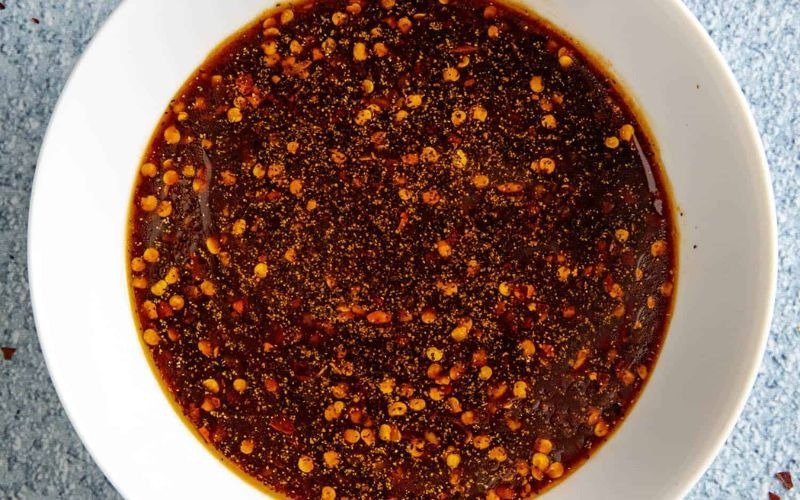
The secret to a truly effortless Easy Beef Bulgogi method is doing five minutes of prep before anything touches the heat. Get everything measured, mixed, and within arm’s reach before you turn on the stove.
In a small bowl, whisk together your soy sauce, brown sugar, sesame oil, garlic, ginger, and red pepper flakes. Stir until the sugar fully dissolves. This is your sauce, and it should smell like pure anticipation. Slightly sweet, deeply savory, with that garlicky kick already coming through.
Have your green onions sliced, your sesame seeds ready, and your rice either already cooking or just about to start. Timing is everything with a 20-minute dish.
Chef’s Tip: Mix your sauce the night before and store it in a jar in the fridge. The flavors deepen overnight and your weeknight dinner becomes truly instant.
Step 2: The Sizzle
Set a large skillet or wok over medium high heat and let it get genuinely hot before adding any oil. A properly preheated pan is the difference between beef that browns and beef that steams.
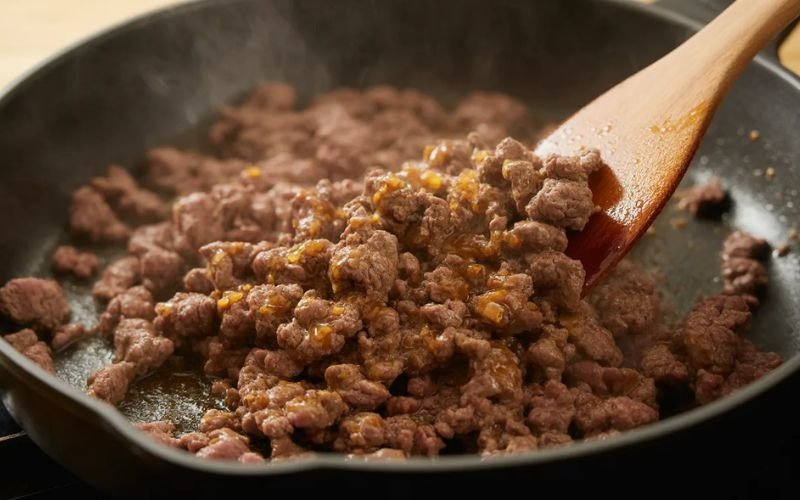
Add a thin drizzle of neutral oil vegetable or avocado oil works best and let it shimmer for about 20 seconds. Now add your ground beef in one single layer across the pan and leave it alone. Don’t poke it. Don’t stir it. Don’t touch it for a full 90 seconds.
This patience is what creates those gorgeous, caramelized brown edges that give the dish its depth and texture. You want to hear a confident, steady sizzle not a sad, wet simmer. Once the bottom has browned, break the meat apart into crumbles and continue cooking until no pink remains, about 4–5 minutes total.
Chef’s Tip: Never crowd the pan. If you’re doubling the recipe, cook the beef in two separate batches. Crowding drops the pan temperature and traps steam. Your beef will boil in its own moisture instead of browning, and you’ll lose all that beautiful crust.
Step 3: The Sauce
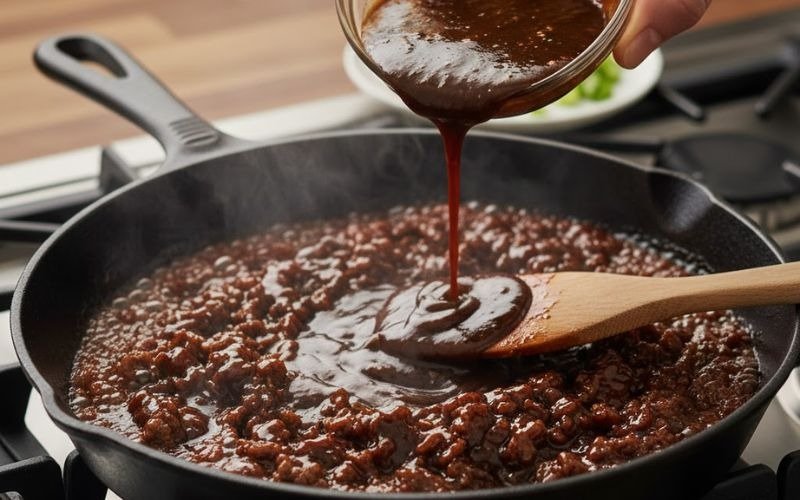
Drain any excess fat from the pan, leaving just a thin coating. Now pour your pre-mixed sauce directly over the browned beef.
The moment the sauce hits the hot pan, it will bubble aggressively, that’s exactly what you want. Stir everything together and let it cook for 2–3 minutes, stirring occasionally, until the sauce reduces and thickens into a glossy, sticky coating on the meat.
What you’re looking for: The sauce should cling to the beef, not pool at the bottom of the pan. When you drag a spatula through the center, the liquid should slowly close back in not rush back immediately like water. That’s your visual cue that it’s ready.
If the sauce looks too thick, add a tablespoon of water or beef broth. Too thin? Give it another 60 seconds on the heat.
Chef’s Tip: A tiny cornstarch slurry (½ tsp cornstarch dissolved in 1 tsp cold water) stirred in during the last minute creates a restaurant-style glossy sauce that looks spectacular over rice.
Step 4: The Finishing Touch
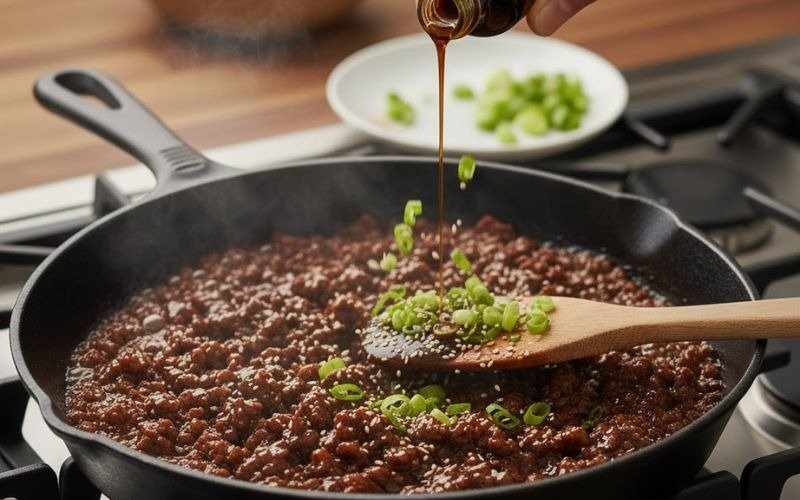
Pull off heat, then add sesame oil, sliced green onions, and toasted sesame seeds. The residual heat blooms the garnishes without destroying their fragrance. One final toss. Taste adjust with a dash of soy sauce for salt or honey for sweetness. Let the beef rest 60 seconds before serving. The sauce settles into the meat instead of running onto the plate.
Step 5: The Plate
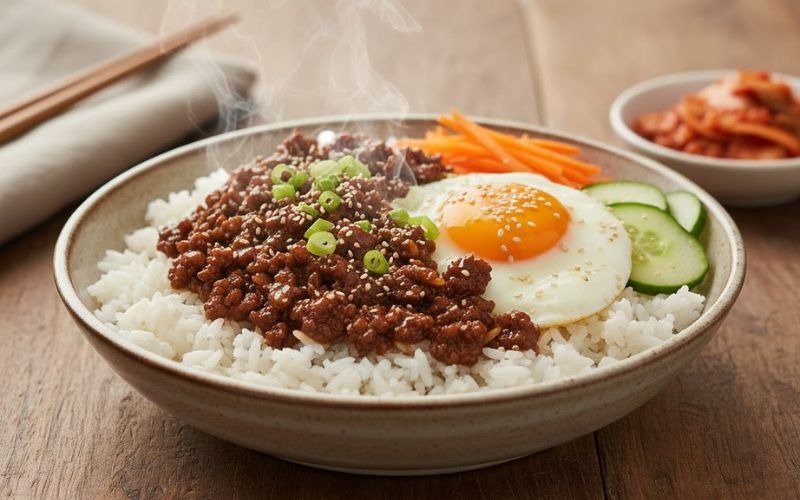
Spoon the Korean beef generously over a bowl of steamed white rice jasmine or short grain both work beautifully. The beef should sit on top like a crown, glossy and fragrant, with flecks of green onion and sesame seeds catching the light.
For extra color and crunch, add a handful of shredded carrots, sliced cucumber, or a soft fried egg on top. A small side of kimchi takes the whole bowl to another level entirely.
Chef’s Tip: Warm your bowls before plating by filling them with hot water for 60 seconds, then drying quickly. A warm bowl keeps your Korean beef bowl at perfect temperature from first bite to last.
Pairings, Variations & Storage
What to Serve With Korean Beef
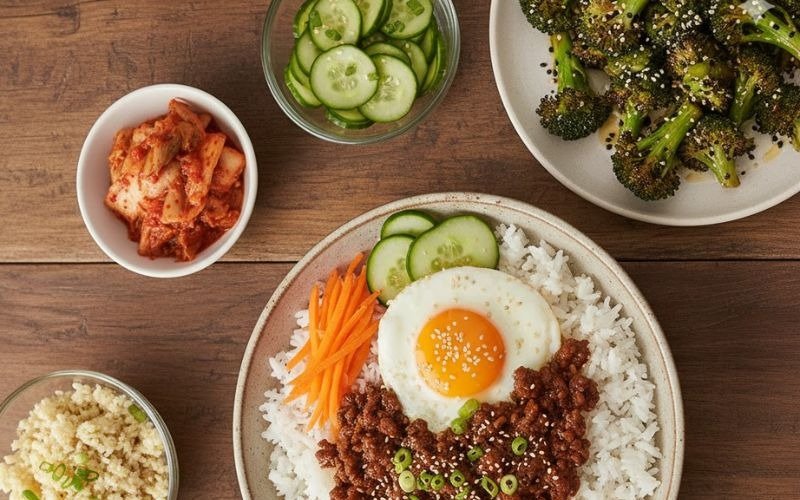
Each one balances the sweet savory richness of the beef in a different way.
- Jasmine Rice: classic, absorbs sauce perfectly
- Cauliflower Rice: low carb swap that holds up; sauté with garlic + sesame oil
- Kimchi: fermented tang cuts through the richness; non-negotiable for purists
- Pickled Cucumbers: 10-minute quick pickle with rice vinegar, sugar, salt; adds cool crunch
- Sesame Broccoli: roast, tossed with sesame oil post-cooking, fits the flavor profile perfectly.
Variations
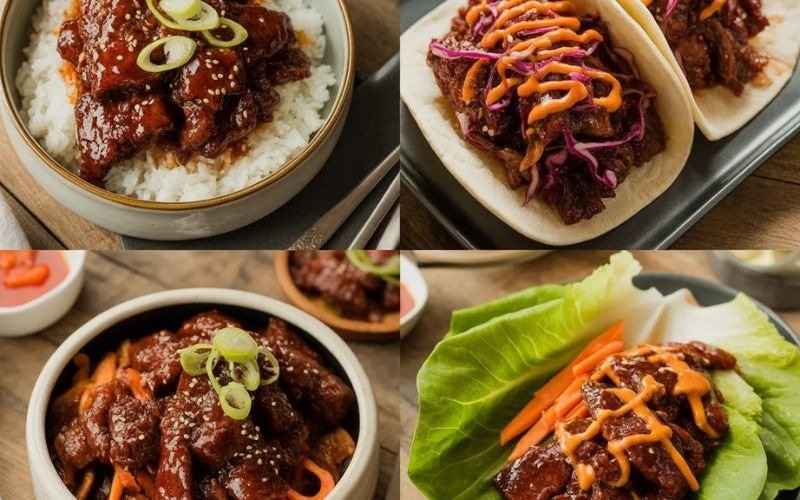
Spicy Korean Beef
Add 1–2 tbsp gochujang or Sriracha to the sauce before cooking. Start with one, taste, build from there.
Slow Cooker Version
Brown beef first (don’t skip the sear adds flavor the slow cooker can’t replicate), transfer to the slow cooker with sauce. Cook LOW 3–4 hours or HIGH 1.5–2 hours.
Lettuce Wrap Version
Skip rice. Serve in butter lettuce cups with shredded carrots and sesame-lime dressing. Perfect as a lighter dinner or party appetizer.
Korean Beef Tacos
Spoon into warm flour tortillas with shredded cabbage, pickled jalapeños, gochujang mayo. Disappears fast.
Storage & Reheating Guide
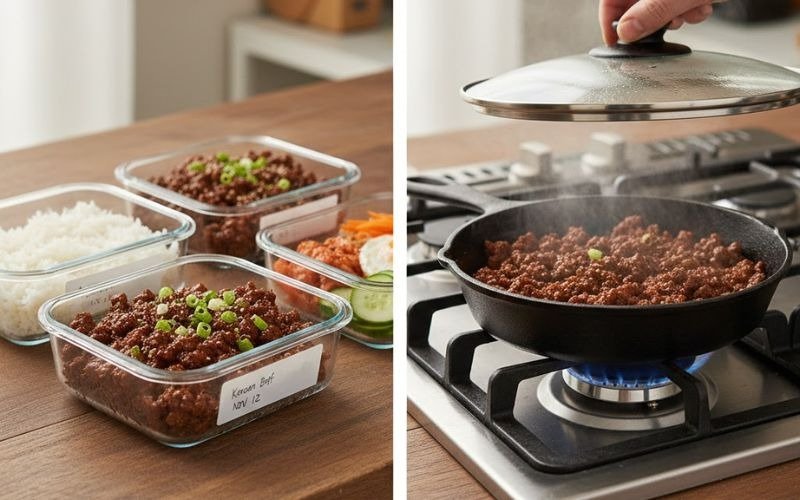
Korean beef keeps in the fridge for up to 4 days and freezes for up to 3 months.Store rice separately to prevent sauce absorption and sogginess. Label containers though it rarely survives to day 4.
To reheat without drying out stovetop method (best):Add cold beef to a skillet over medium-low with 2–3 tbsp water or broth, cover, steam 2–3 minutes. The sauce revives to its original glossy consistency.
Microwave method:Cover with a damp paper towel, microwave at 70% power in 30-second intervals. Lower power = moisture retention = no rubbery beef.
Frequently Asked Questions
Can I use chicken instead of beef?
Yes, ground chicken or sliced chicken thighs both work with this sauce. Thighs are preferred over breasts; higher fat content keeps the meat juicy under high heat. Same cooking time and method brown fully, add sauce, reduce until glossy.
How do I make this kid friendly?
Skip the red pepper flakes and gochujang entirely, and reduce brown sugar slightly. The soy garlic sauce is rich and satisfying with zero heat. Serve over plain jasmine rice with steamed broccoli picky eaters consistently clean their bowls.
Can I make this gluten free?
Yes, you can swap soy sauce for tamari or coconut aminos because they are gluten-free with no flavor compromise. Also verify your sesame oil and chili paste labels for cross-contamination warnings.
Why does my beef turn out watery rather than caramelized?
The cause is always pan temperature. Either the pan wasn’t hot enough, or too much beef was added at once. Cold beef drops the pan temperature, trapping steam before the moisture can evaporate. Solution: preheat until fully hot, cook in portions and don’t touch the beef for the first 90 seconds.
Can I prepare this for a dinner party?
Yes, cook fully up to 2 days ahead and reheat gently on the stovetop with a splash of broth. The flavors deepen with time. Prepare toppings and sides fresh on the day. Kimchi requires no prep. Pickled cucumbers take 10 minutes.
Conclusion
The Best Korean Beef Recipe is about more than just speed; it’s about the balance of umami, sweetness, and heat. By using 90/10 beef and the “off heat” sesame oil rule, you ensure a restaurant quality bowl in less time than it takes to order takeout.
Visit Biteful Boxfor more 20-minute global recipes that don’t compromise on authenticity.